00:00
/
00:00
Campaign effectiveness in advertising has fallen for two decades, and the rise of short-term promotion is the reason. The brands that leaned on it hardest have the losses to show for it. So what did the industry trade away when it started optimizing for the quarter?
Why short-term advertising became the default
Most companies cannot buy the media that built the brands they compete with, which is the constraint behind every decision in how to compete when competitors outspend you. What they can buy is advertising that charges only when something measurable happens, and on paper that choice makes sense for three reasons.
- It is affordable. The entry cost is far below traditional mass media, so a small budget buys something rather than nothing.
- It is targeted. The advertising appears in front of people who have already signaled interest, so none of it looks wasted.
- It is measurable. You can see what is working and what is not, in real time, without waiting a quarter to find out.
None of those three claims is false. The problem is what they leave out. Each one describes a benefit to the buyer of the media. None of them describes an effect on the business.
Advertising that only charges you when something measurable happens will only ever buy you things that are measurable.
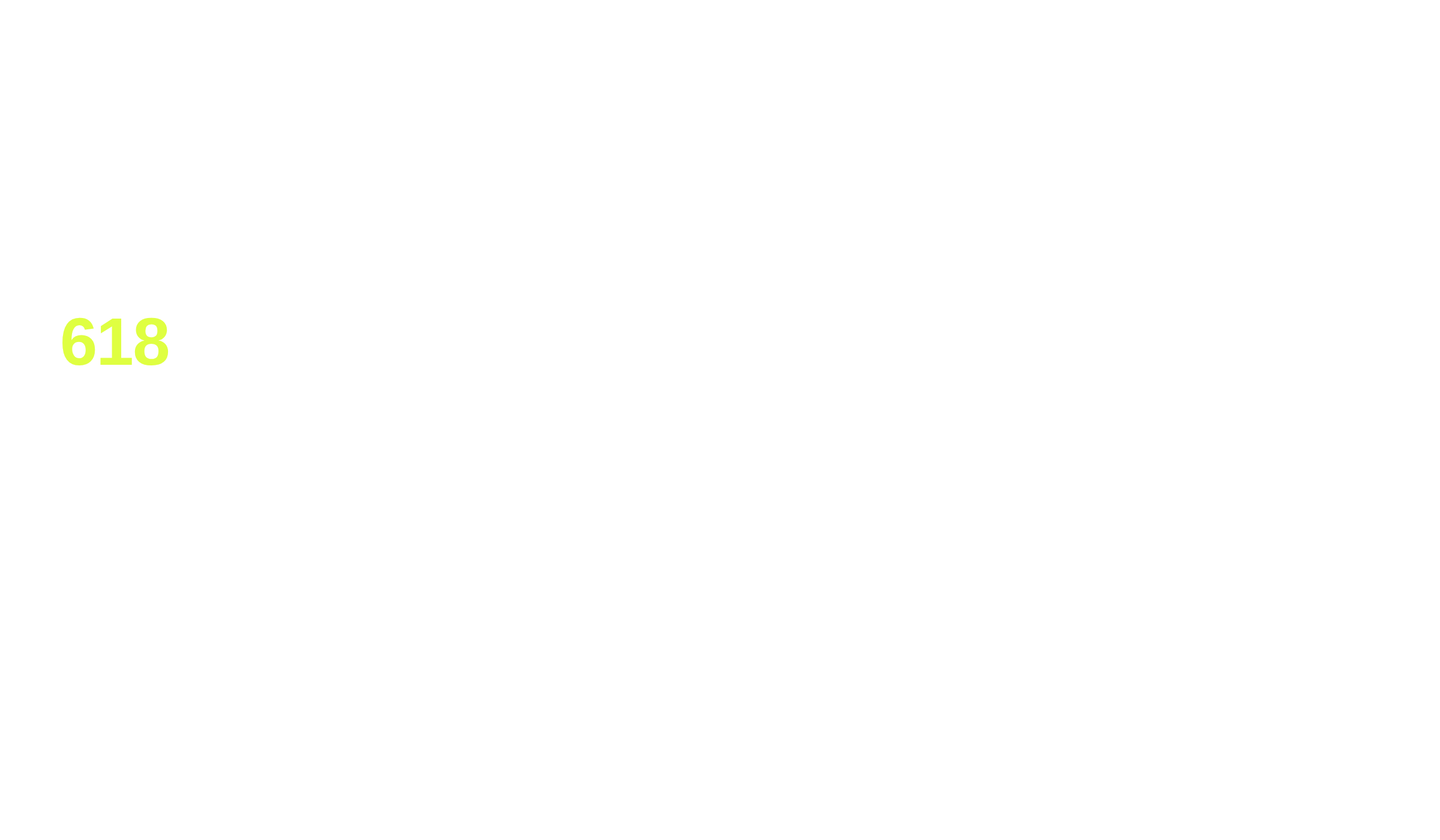
What 618 campaigns show about declining effectiveness
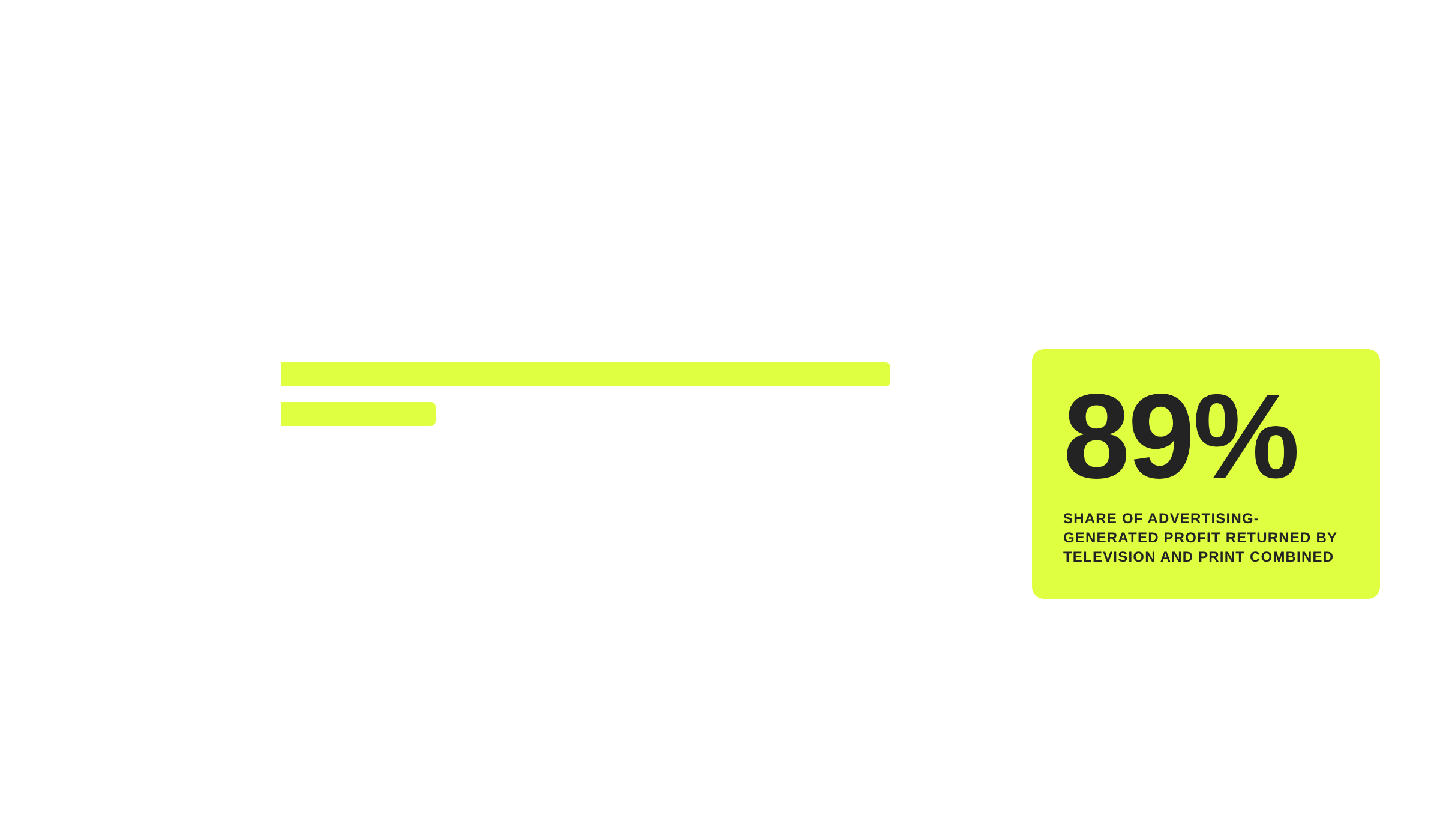
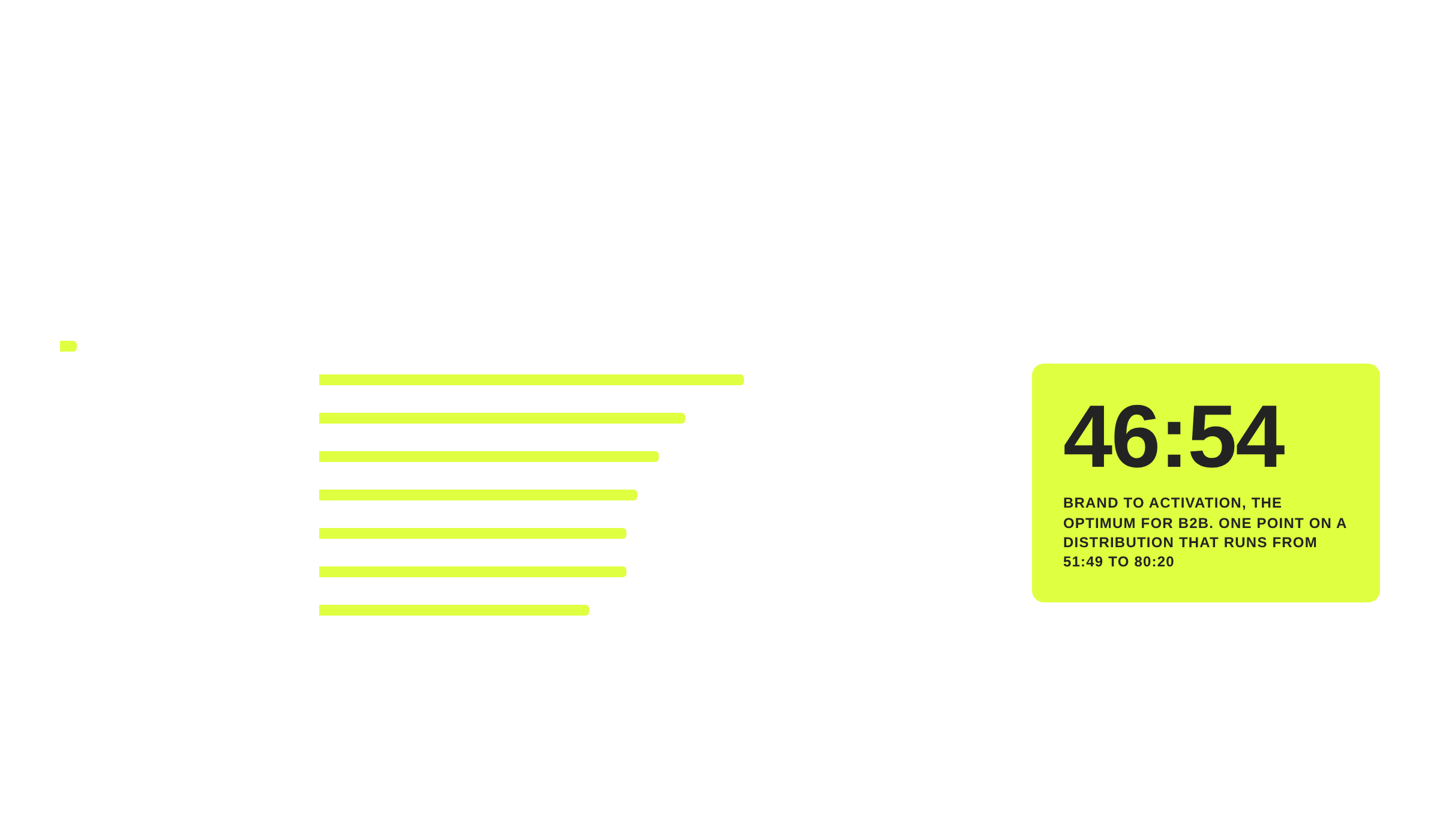
The Institute of Practitioners in Advertising has tracked campaign effectiveness across its databank for decades, and the direction is clear. Effectiveness measured across 618 campaigns declined over the same period that short-term promotions, those running under six months, rose as a share of activity.
The measure that fell is the one that matters. Long-term business effects in that data include profit, sales, market share, loyalty and price sensitivity. Those are the five outcomes a marketing budget exists to move, and all five weakened as the work got shorter.
Source: Effectiveness in Context, IPA Databank of 497 for-profit and 121 not-for-profit cases submitted between 1998 and 2016, The Institute of Practitioners in Advertising UK.
Two decades is long enough to rule out a bad year or a single bad category. This is what happened to the discipline when the default campaign got shorter.
Why short-term results come at the expense of long-term growth
The trade is not obvious while it is happening, which is what makes it dangerous. A campaign built to convert people who are already shopping will convert people who are already shopping. Revenue arrives. The dashboard looks healthy.
What does not happen is the other half of the job. Nobody who was not already in the market has been given a reason to remember you, so the pool of people who might buy next year does not grow. You are harvesting demand without planting any, and the harvest gets smaller every season.
A brand can run that way for a long time before the effect is visible in the numbers. By the time it is visible, the correction takes years, because familiarity cannot be bought back in a quarter.
What short-termism cost the brands that committed to it
The clearest evidence is not in the research, it is in the filings of the companies that built their growth on short-term advertising and could not make the model pay.
- Allbirds has yet to record a profitable year, and warned that it may not become profitable in the near future, according to Modern Retail.
- One direct-to-consumer brand had sales of $152 million in 2015 and reportedly was not profitable at that point, almost five years after it was founded, according to Unilever via Camino Financial.
- Another recorded net losses of $67.4 million in 2019, after losses of $93.2 million in 2018 and $73.1 million in 2017.
Business of Fashion described one of these businesses as continuing to lose money on customer acquisition as it struggled to broaden its audience. That last phrase is the whole story in six words. The audience never broadened, because nothing in the plan was built to broaden it.
Neil Blumenthal, co-founder and chief executive of Warby Parker, put the condition plainly: "It's never been easier or less expensive to start a business, but it's also never been harder to scale one."
Short-term advertising did not fail these brands at launch. It failed them at the point where they needed an audience wider than the one already shopping.
What this means for a smaller advertiser
None of this argues for abandoning short-term advertising. It argues against running on it alone. The two-decade decline in effectiveness is what happens when an entire discipline optimizes for the half of the job it can measure, and the casualty list is what happens to individual companies that do the same thing.
The practical question is what proportion of the budget belongs to each half, which is covered in how to split a B2B marketing budget. The mechanism that makes short-term advertising steadily more expensive as you scale it is covered in why performance marketing will not grow your brand.
This article draws on How to build a big brand on a small marketing budget, our report on cost-effective brand building.





Being outspent is a media problem before it is a brand problem. Your competitors are not smarter than you, they simply reach more of the market more often, and that advantage compounds quietly for years. Six decisions decide how far a smaller budget goes. So where does the money actually have to land?