00:00
/
00:00
Brand video is priced by the shoot, not by the year, and that is where small marketing budgets lose money. Producing twelve months of assets in a single run spreads one crew and one setup across everything you will publish. So what does a year of output actually contain?
Why brand video costs more when you spread it out
Commission video the way most companies commission it, one campaign at a time, and you pay the fixed costs of production every time. Production economics are one of the six levers in how to compete when competitors outspend you, and they are the one most often left untouched. Crew, setup, talent, location and post-production get rebuilt from scratch for each brief, and the per-asset cost stays high no matter how small the asset is.
Pool the production instead. Plan the year first, then shoot it together, and those fixed costs are paid once and spread across every piece of output. That is the mechanism that puts broad-reach video within range of a budget that could never buy television, and it is why the arithmetic works at all.
The expensive part of brand video is not the film. It is paying for the crew four separate times.
What a year of brand video contains
The output is not one kind of asset. It is three, with different jobs, different frequencies and different costs, and they only work as a set.
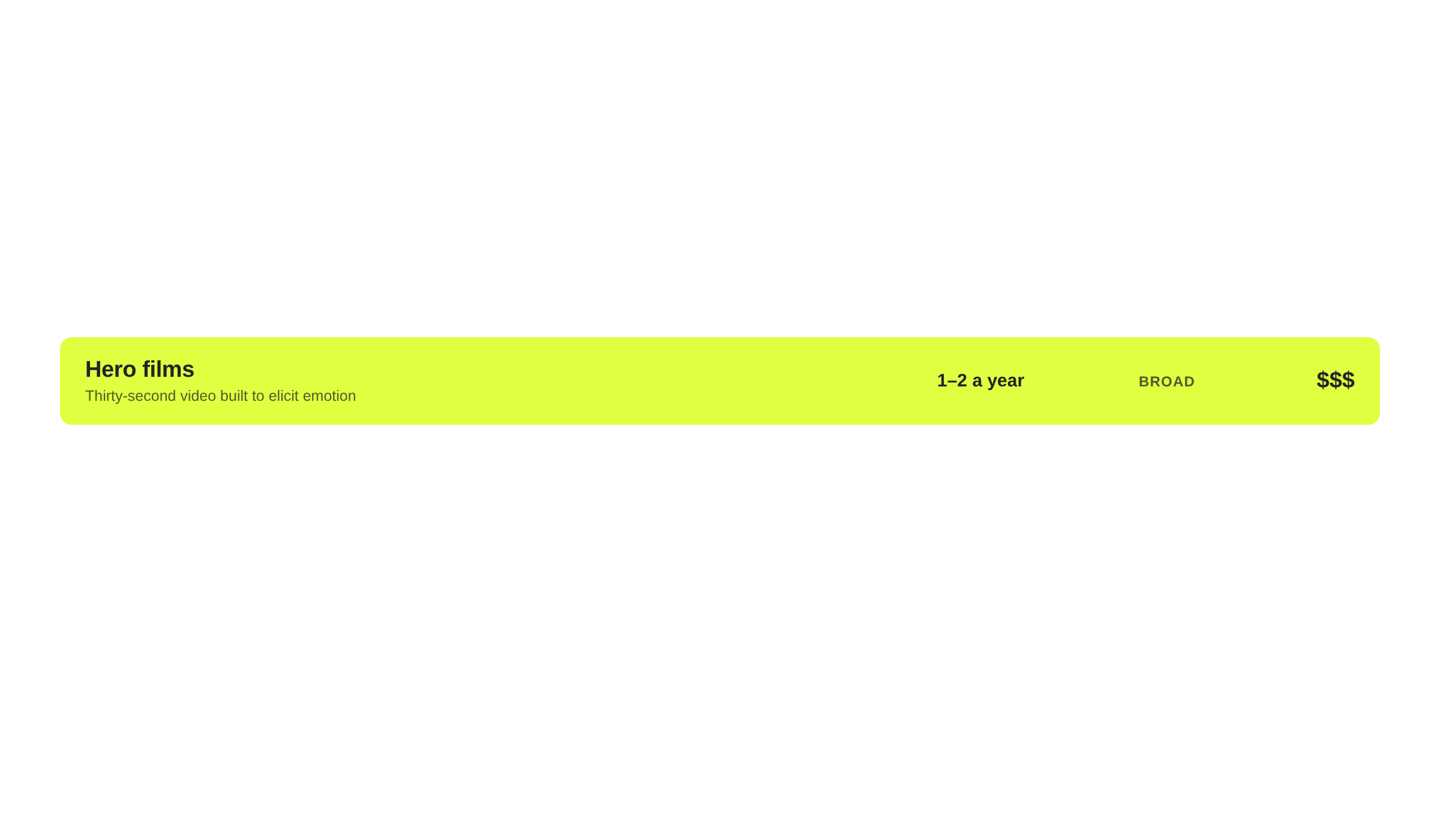
- Hero films. Thirty-second video built to elicit emotion. One or two a year, aimed broadly, and the most expensive thing in the plan. These do the work a television spot would do.
- Short stories. Video under fifteen seconds that brings a benefit to life creatively. Roughly four a month, aimed broadly, at moderate cost. These carry the argument between hero films.
- Distinctive cues. Highly visual small reminders, often animated, that your brand is still there. Around five a week, aimed narrowly, at low cost.
Source for this structure: Brand Building on Social, Born Social, applied in a simple one-ad campaign framework.
Put together, that is a full-funnel infrastructure rather than a campaign. Like television advertising, it builds familiarity and trust over time and increases the demand that arrives later, and it does so through ordinary digital channels rather than bought airtime.
Why the cheapest tier does the most work
The hero film gets the attention and the budget. The distinctive cues get neither, and they are the tier that decides whether the rest of it compounds.
Five small pieces a week is roughly two hundred and fifty appearances a year. Nothing else in the plan comes close to that frequency, and frequency is what turns a film somebody watched once into a brand they recognize. The cues are also the only tier aimed narrowly rather than broadly, which is what lets them do the converting work while the broad assets do the reaching.
Drop this tier and you are left with expensive assets that appear rarely. That is the most common way a video plan built on a small budget quietly fails, because the failure looks like nothing happening rather than like something going wrong.
Why the same footage works at both ends of the funnel
The other economy in pooled production is that video is not a top-of-funnel format with a separate bottom-of-funnel format sitting beside it. The same shoot feeds both.
Broad video builds familiarity among people who have no live need, which is the job normally assigned to awareness media. Narrower, more targeted video persuades people to act, which is the job normally assigned to performance media. One production run supplies both, so a plan that would otherwise need two budgets and two suppliers needs one of each.
That is why the year should be planned as a single brief rather than as an awareness campaign followed by a conversion campaign. Splitting the brief is what forces you back into paying the fixed costs twice.
What the ads themselves should do
Production economics only pay off if the creative is built for reach. The digital-first companies that have built large brands this way invest in advertising with four consistent properties.
- It does not sell a specific product.
- It tells a story.
- It is aimed at most people rather than a narrow segment.
- It is designed to be talked about and shared.
Wealthsimple and Gymshark are both worth studying on this. Neither built recognition by explaining a feature set.
This is where a lot of pooled production goes wrong. Shooting a year of assets is cheap. Shooting a year of product demonstrations is a year of product demonstrations, and no amount of production efficiency makes that build a brand.
How to plan one
Work backwards from the calendar, not from the brief in front of you. Decide the one or two things you want to be known for over twelve months, write the hero films against those, then break each one down into the short pieces and the cues that will carry it for the rest of the year.
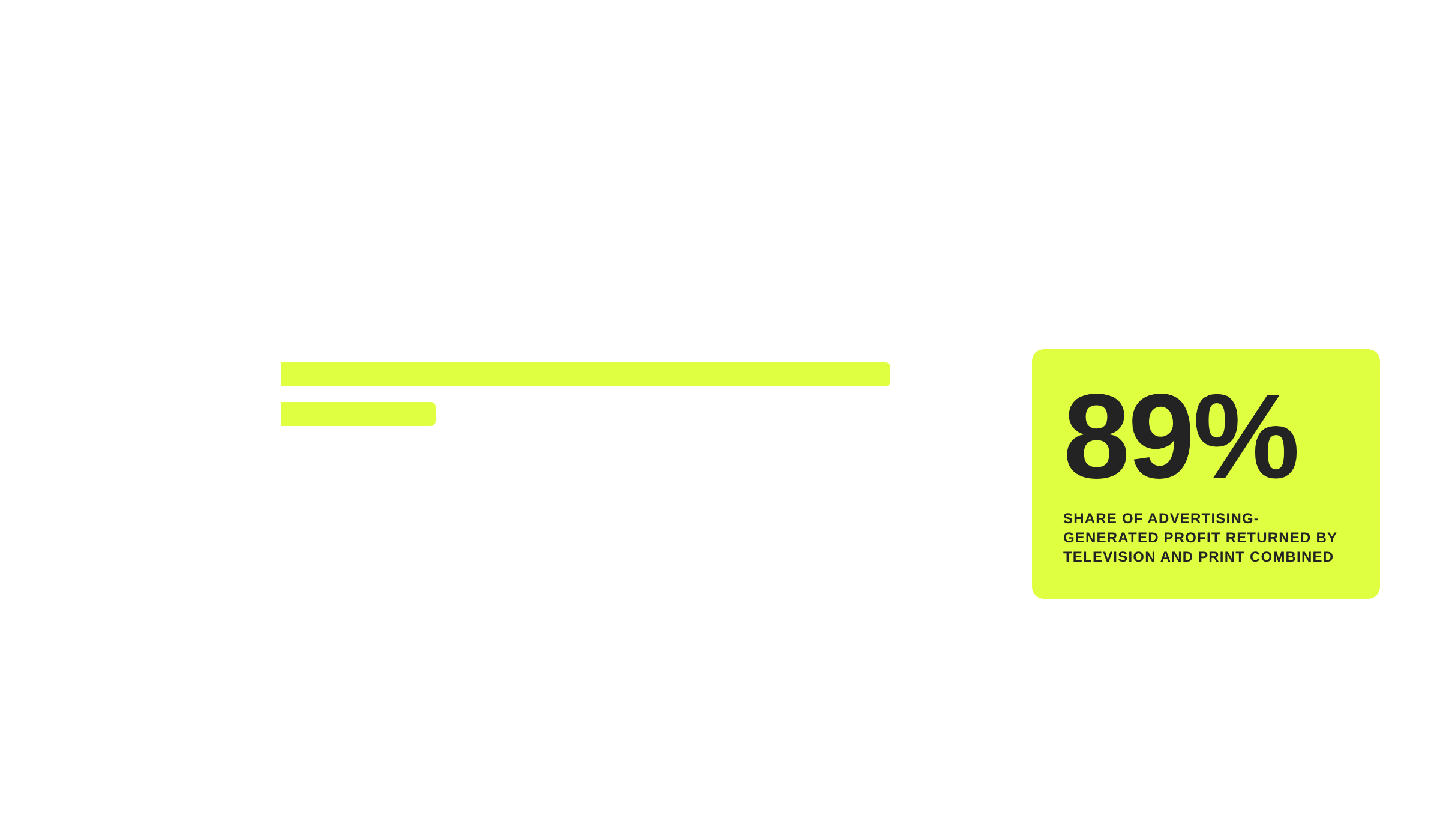
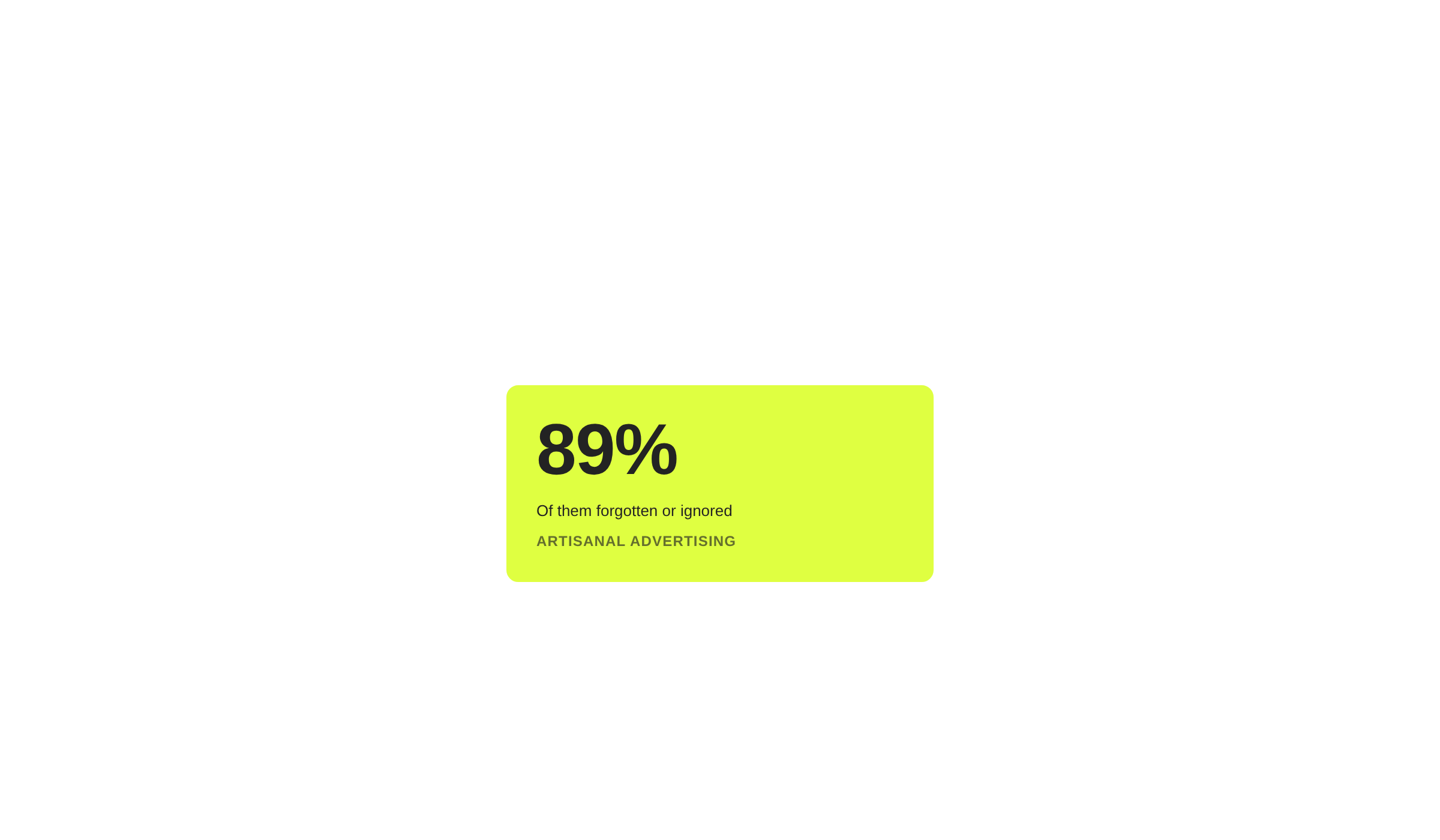
Which channels that output should run across is covered in TV and print deliver 89% of advertising profit. How to make sure any of it gets noticed is covered in 89% of ads are ignored.
This article draws on How to build a big brand on a small marketing budget, our report on cost-effective brand building.




Being outspent is a media problem before it is a brand problem. Your competitors are not smarter than you, they simply reach more of the market more often, and that advantage compounds quietly for years. Six decisions decide how far a smaller budget goes. So where does the money actually have to land?